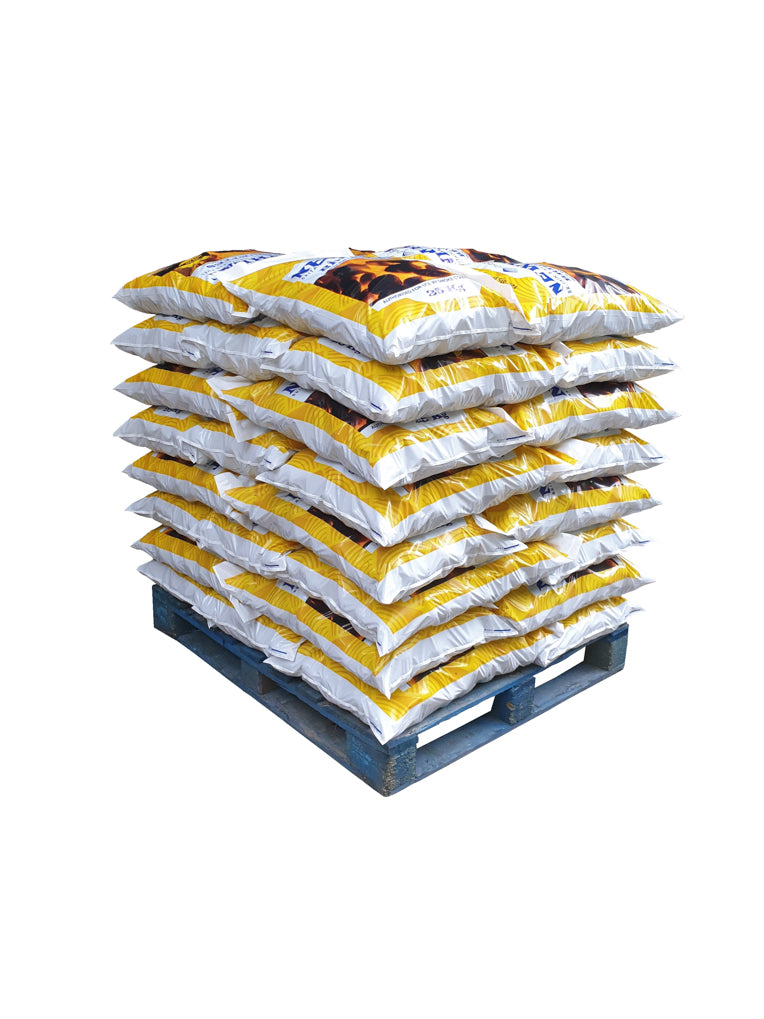


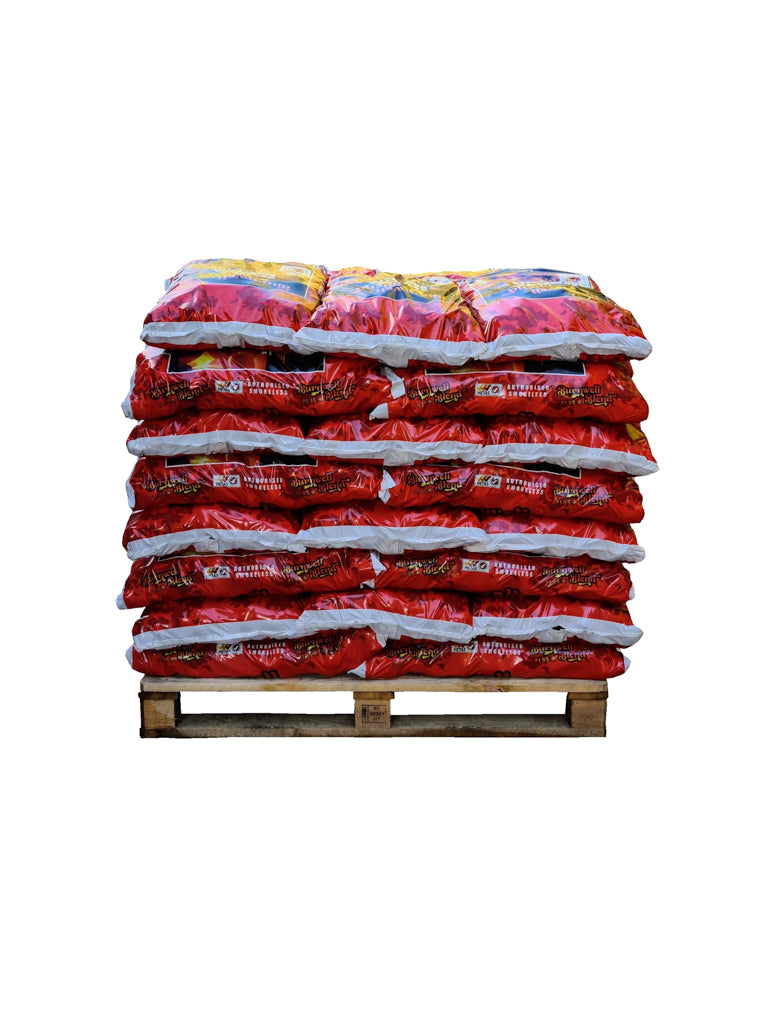
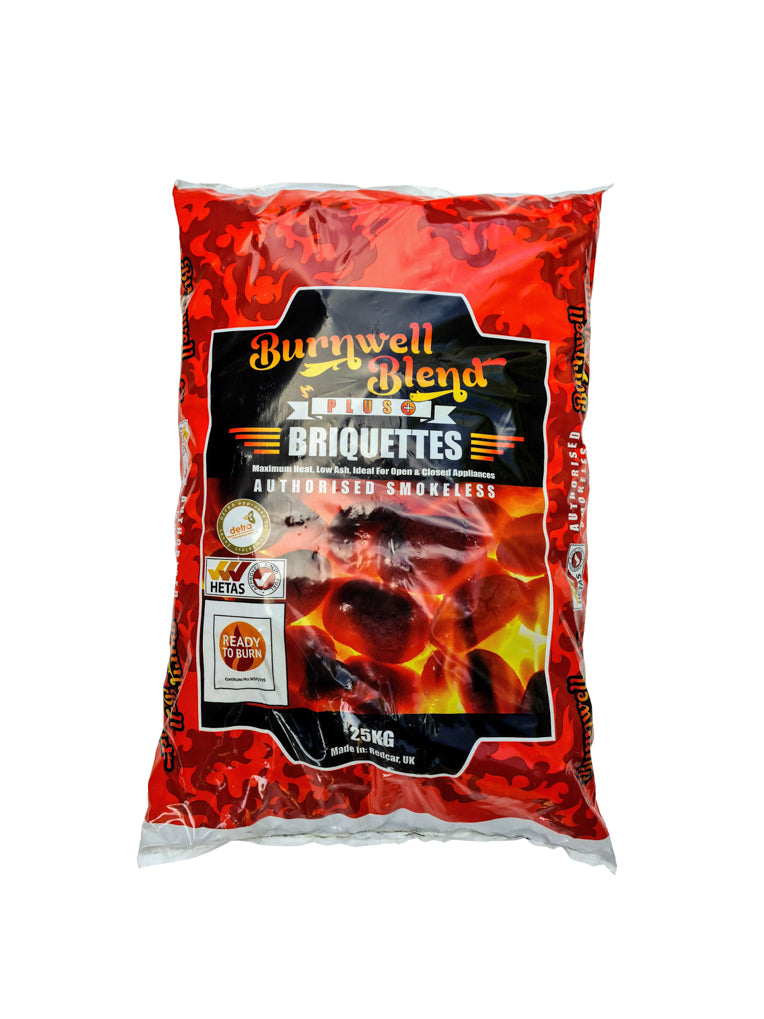
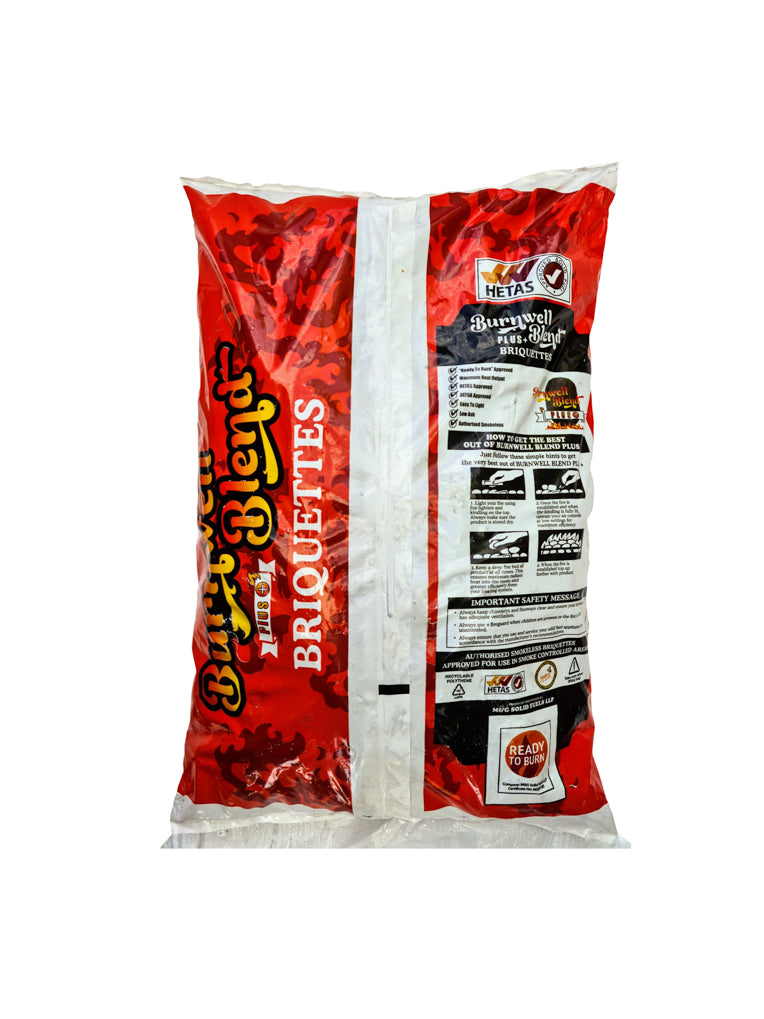


Burnwell Blend PLUS Smokeless Fuel – 40 × 25kg Pallet
Smokeless fuel • Suitable for stoves & open fires • Pallet delivery (kerbside) • Choose a delivery date at checkout
- Description
- Specification
- Delivery
- Delivery Exclusions
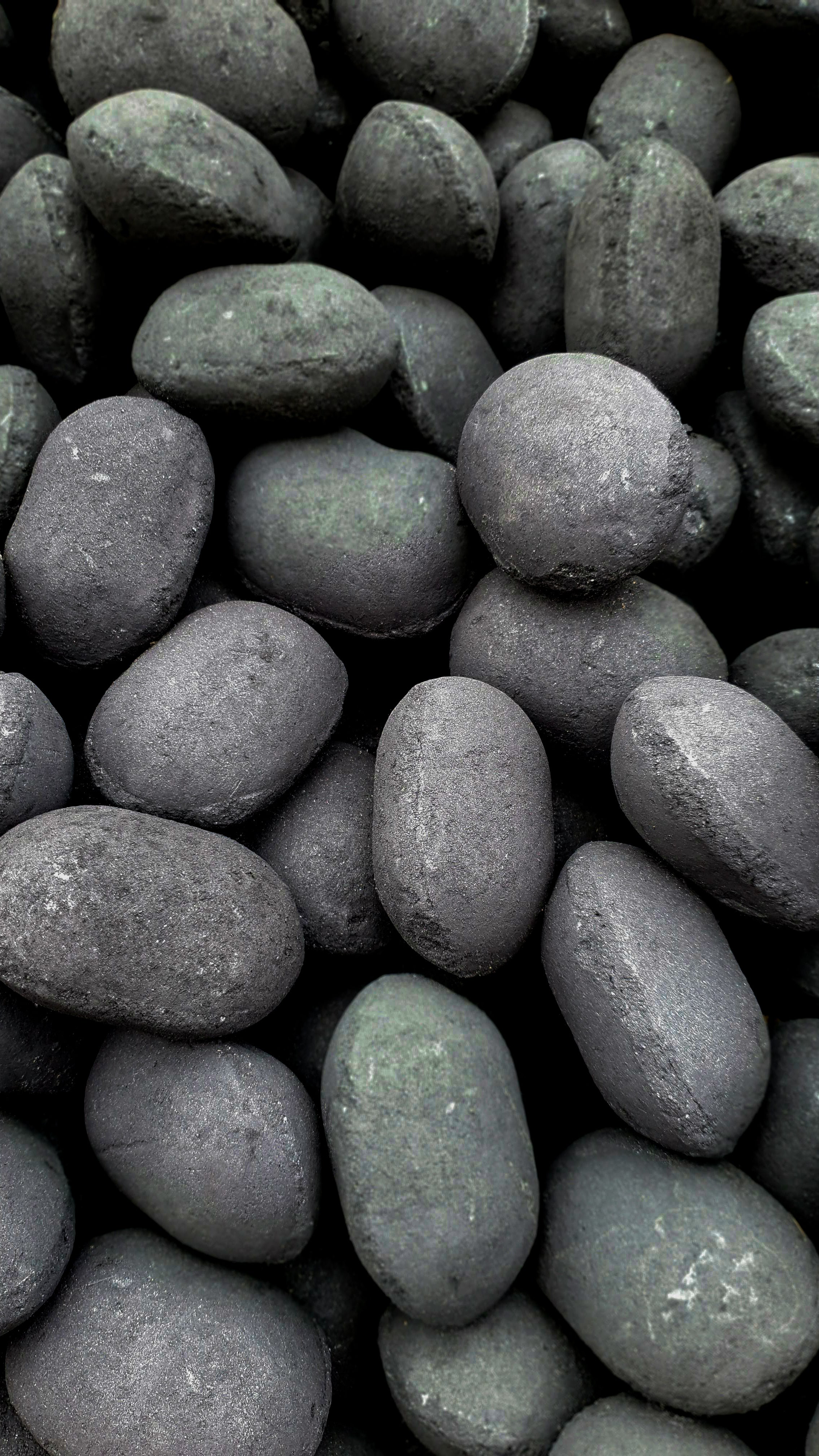
Burnwell Blend PLUS smokeless fuel is a premium manufactured smokeless coal supplied as a full pallet of 40 × 25kg bags. Engineered for enclosed appliances, it delivers strong heat and extended burn times with very low smoke and sulphur versus traditional house coal. It is HETAS approved and Ready to Burn.
Specs at a glance
- Pallet: 40 × 25kg bags (full pallet)
- Total weight: 1,000kg
- Ready to Burn (MSF): MSF0195
- Approval: HETAS approved; Ready to Burn certified
- Emissions: <2% sulphur; <5g/hr average smoke emission
- Suitable for: Multi-fuel stoves (and open fires where appropriate)
Why choose Burnwell Blend PLUS?
- Designed for enclosed appliances: excellent control and steady heat.
- Low smoke, low sulphur: engineered for smokeless burning with very low sulphur output.
- Long burn: built for extended burn times and overnight stove use (when used correctly).
- Cleaner handling: screened to remove slack and burns through leaving mainly ash.
How to light & burn (quick method)
- Get a strong ember base using kindling + firelighters.
- Add a first layer of fuel gently and wait until it glows.
- Top up gradually and reduce airflow in stages for a steady burn.
Helpful links
- Smokeless Fuel Buying Guide
- How to light smokeless fuel (step-by-step)
- Pallet delivery & kerbside access
Please note: due to the overall weight of this product, delivery using a smaller truck is not possible.
Free UK delivery is included for most postcodes (around 95%). Any surcharge is calculated at checkout once you enter your delivery postcode.
This item ships via pallet delivery (kerbside). The driver will use a pallet truck to place the pallet at the nearest safe accessible point. Please ensure access for a large vehicle and a flat, solid surface (e.g., tarmac or concrete), as pallet trucks cannot operate on gravel, grass, steep slopes, or soft ground.
Discover how our delivery process works here: Delivery information.
Ordering in Bulk?
Contact Us to discuss multi-pallet deliveries, or email us at sales@dawsonsfuels.co.uk
FAQs
Can I use smokeless fuel in a Smoke Control Area?
In many areas, yes — but rules vary by location and appliance. Always check your local Smoke Control requirements and only use fuels that are authorised for domestic use where required. If you’re unsure, contact us and we’ll help you choose the most suitable option.
What does “Ready to Burn” (MSF code) mean?
“Ready to Burn” means the fuel has been certified under the Woodsure scheme and has a registered MSF code. It confirms the fuel meets standards for efficient, cleaner burning and helps you buy with confidence. You’ll find the MSF code for each product in the Specification section.
Which smokeless fuel is best for overnight burning?
For longer burn times, choose a fuel designed for a slower, steadier burn in enclosed appliances (multi-fuel stoves). Build a strong ember base first, add fuel gradually, then reduce airflow in stages for steady heat. Always follow your appliance manufacturer guidance.
How do I light smokeless fuel properly?
For best results:
- Light firelighters and dry kindling (or a small amount of kiln-dried wood) to create a hot ember base.
- Add smokeless fuel gradually — don’t smother the flames.
- Keep airflow higher until fully glowing, then reduce airflow in stages to maintain steady heat.
What does “pallet delivery (kerbside)” mean and what access is needed?
Pallet deliveries are kerbside/nearest safe access point. The driver uses a pallet truck and will deliver to the closest safe accessible location (typically kerbside or driveway entrance, not inside a property). You’ll need clear access for a delivery vehicle and a flat, solid surface (tarmac/concrete is best). Pallet trucks can’t operate over steps, steep slopes, grass, soft ground or loose gravel.
How should I store smokeless fuel?
Store bags in a dry place, under cover, and off the ground where possible. Keeping fuel dry helps it light more easily, burn more efficiently and reduce smoke.